
HEAVY OR IRREGULAR PERIODS
You Don’t Need to Suffer Monthly
What Is a “Normal” Period?
A period—also called menstruation or a menstrual cycle—is a natural part of a woman’s ovulatory cycle. It occurs when the body gently sheds the uterine lining in the absence of pregnancy.
For most women of menstruating age, a normal period typically:
- Occurs every 3–5 weeks
- Lasts 2–7 days
- Is accompanied by mild, manageable discomfort
- Requires no more than 5–6 pads or tampons on the heaviest days
- Does not disrupt daily life, work, or personal commitments
If your periods are unpredictable, unusually heavy, or suddenly different from what you’re used to, Murrieta Health & Aesthetics offers comprehensive evaluation and treatment to help you regain control of your cycle.

What Are Heavy or Irregular Periods?
Heavy or irregular periods occur when menstrual cycles become unusually frequent, infrequent, prolonged, or accompanied by excessive bleeding, clotting, or discomfort.
Signs You May Need Treatment Include:
- Bleeding that lasts longer than 7 days
- Needing to change a pad or tampon every 1–2 hours
- Passing large blood clots
- Skipping periods or bleeding between periods
- Cycles shorter than 21 days or longer than 35 days
- Fatigue, lightheadedness, or dizziness during menstruation
- A history of anemia or needing medical intervention (such as a blood transfusion) due to heavy vaginal bleeding
If you’re unsure whether your symptoms are cause for concern, our providers can help you understand what’s normal — and what may need treatment.
What Causes Heavy or Irregular Periods?
- Hormonal changes during perimenopause or menopause
- Polycystic Ovary Syndrome (PCOS)
- Thyroid disorders
- Stress-related hormone imbalances
- Changes in birth control or IUDs
- Inconsistent use of birth control
-
Uterine conditions such as infections, fibroids, or polyps
Left untreated, heavy or irregular cycles may lead to iron deficiency, chronic fatigue, and a diminished quality of life. Identifying the cause allows us to create a personalized treatment plan for you.

Treatment Options for Heavy or Irregular Periods
- Observation If fibroids are small and not causing symptoms, monitoring without treatment may be appropriate.
- Medical Therapy: Hormonal or non-hormonal medications designed to ease bleeding and discomfort.
- Hormone Balancing & Bioidentical Hormone Therapy (BHRT) : Targeted support for cycles affected by hormonal imbalance, perimenopause, PCOS, or thyroid changes.
- Birth Control Options: Certain birth control methods, including hormonal IUDs, can significantly reduce bleeding.
- Lifestyle & Metabolic Support: Personalized guidance addressing stress, nutrition, weight changes, and metabolic health to support cycle regularity.
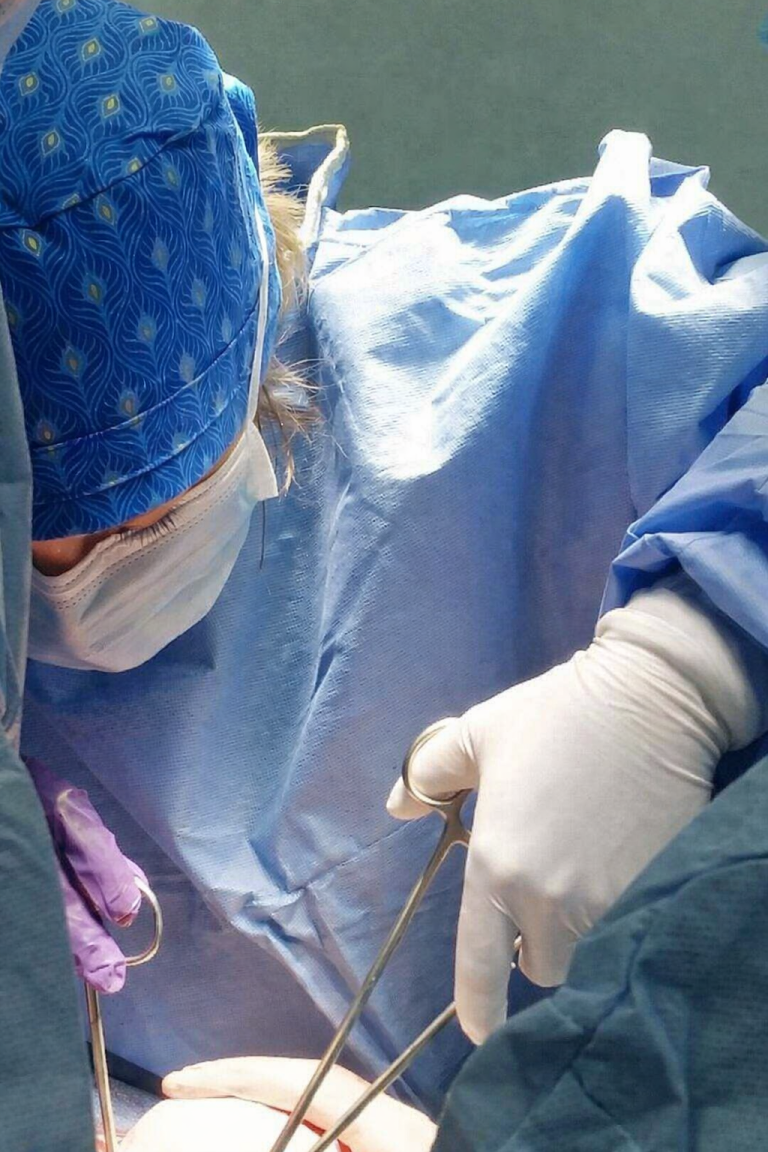
- Surgical Options: In select cases, minimally invasive procedures to remove fibroids or polyps may be recommended. Hysterectomy is reserved for more complex situations when appropriate..
Why Choose Murrieta Health & Aesthetics for Period Concerns?
At Murrieta Health & Aesthetics, we recognize that heavy or irregular periods are not something you should have to endure—and their impact can extend far beyond your cycle. Our expert providers specialize in identifying and treating abnormal bleeding patterns. Through personalized, holistic treatment plans, we address the root causes of menstrual irregularities. Our goal is not only to help you understand your cycle, but to help you reclaim control of your health and your life. Contact our office at (951) 600-7066 to schedule your appointment today.

Faq
Frequently Asked Questions
Uterine fibroids are typically non-cancerous growths within the muscular wall of the uterus. While many women experience no symptoms, others may notice:
- Heavy or prolonged menstrual bleeding
- Irregular cycles
- Pelvic pressure or fullness
- Pain during intimacy
- Lower back discomfort
- Urinary frequency or difficulty emptying the bladder
- Constipation or bloating
Treatment is guided by your symptoms, lifestyle, and reproductive goals. Not all fibroids require intervention.
Uterine polyps are non-cancerous growths of the uterine lining. They may cause:
- Heavy or irregular bleeding
- Spotting between cycles
- Bleeding after menopause
- Bleeding after intercourse
Some polyps are discovered incidentally and may not require treatment unless symptomatic.
A hysteroscopy is a minimally invasive procedure that allows your surgeon to view the inside of the uterus using a small camera. It is commonly used to evaluate and treat abnormal uterine bleeding.
Your visit includes a thoughtful discussion of your symptoms and menstrual history, review of laboratory testing or imaging, and a comprehensive evaluation of hormonal and reproductive health. From there, we design a personalized care plan aligned with your goals and lifestyle.