birth control options
Individualized solutions for contraception and family planning
Contreception in Murrieta, CA
At Murrieta Health and Aesthetics, we offer personalized birth control services that support your reproductive health and overall wellness because every woman deserves access to contraception that feels safe, reliable, and aligned with her individual needs.
Whether your goal is to prevent pregnancy just for the immediate future, manage hormonal symptoms, or explore long-term options, we guide you in choosing a method that makes sense for your body and future. Our providers recognize that birth control is not one size fits all and that factors such as age, medical history, hormones, lifestyle, and family planning goals all play an important role in finding the best option for you.

Birth Control Options We Offer
We provide a wide range of contraceptive options so you can choose the method that best fits your body, lifestyle, and personal goals. At MHA, our providers offer personalized guidance to help you feel confident, informed, and supported in your decision.
- Oral Contraceptives (Birth Control Pills):
Daily tablets that help regulate hormones and prevent pregnancy when taken consistently. - Vaginal Ring (NuvaRing or Annovera):
A flexible ring placed in the vagina for three weeks each month, offering reliable birth control without the need to remember a daily pill. - Skin Patch (Xulane and Twirla):
A small adhesive patch applied weekly to the abdomen, providing consistent pregnancy prevention without daily dosing. - Injectable Contraception (Depo-Provera):
Longer-lasting pregnancy prevention delivered through convenient quarterly in-office injections. - Intrauterine Devices (IUDs):
Hormonal and non-hormonal options placed during a pelvic exam that offer effective, long-term contraception lasting 3–10 years, depending on the brand. - Subdermal Implant (Nexplanon):
A small, flexible progesterone-only rod placed under the skin of the arm, providing reliable birth control for up to three years. - Sterilization (“Tying the Tubes”):
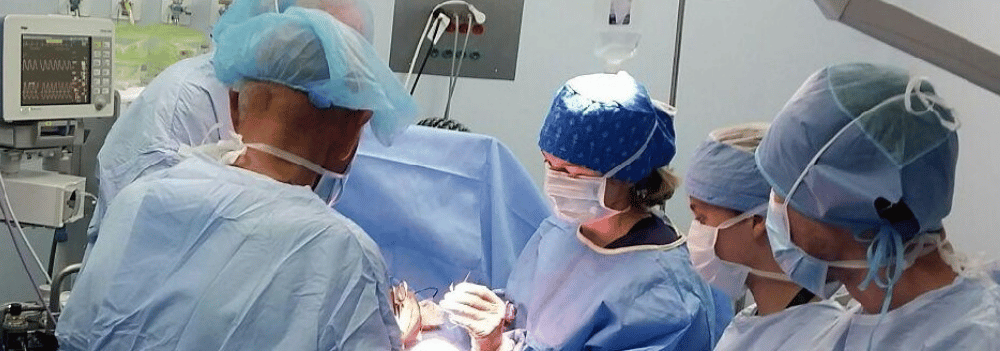
A permanent birth control option performed through a minor surgical procedure at an outpatient surgery center. - Emergency Contraception:
Medications that reduce the chance of pregnancy when taken after unprotected sex or contraceptive failure, such as a broken condom. - Natural Family Planning:
Hormone-free options that include cycle tracking and fertility awareness using mobile apps and education.

Birth control offers more than pregnancy prevention
- Gain predictable control over your menstrual cycle
- Reduce heavy or painful periods
- Support hormonal balance during perimenopause
- Improve symptoms such as mood swings, acne, or PMS
- Feel confident and protected during intimacy
Intrauterine Devices (IUDs)
Intrauterine devices (IUDs) are small, T-shaped devices inserted into the uterus during a quick, in-office procedure to provide highly effective, long-term birth control. With both hormonal and non-hormonal options available, IUDs offer a convenient, low-maintenance solution that can be tailored to fit your body, lifestyle, and reproductive goals.
Hormonal IUDs (Mirena, Kyleena, Etc)
Hormonal IUDs release a low dose of progestin to prevent pregnancy by thickening cervical mucus and thinning the uterine lining. Most patients experience the added benefit of lighter, shorter, or less painful periods with these devices. Depending on the brand, hormonal IUDs are effective for 3 to 8 years.
Non-Hormonal (Copper) IUDs
The copper IUD (ParaGard) contains no hormones and uses copper to prevent fertilization by creating an environment that is toxic to sperm. Because it can irritate the uterine lining, some women may experience heavier or longer periods and increased cramping, especially during the first few months. A key benefit of the copper IUD is that it provides highly reliable birth control for up to 10 years.

Why Women Choose IUDs
Who Is a Good Candidate for the IUD?
IUDs are an excellent option for any woman seeking long-term, low-maintenance birth control. Once placed, they provide continuous protection against pregnancy without requiring daily attention. Hormonal and non-hormonal IUDs are even considered safe for most women with medical conditions where systemic hormones are usually avoided, such as epilepsy, history of blood clots, or liver or kidney disease.
Why Should I
Consider Sterilization?
How Is Surgical Sterilization Performed?
Why Choose MHA FOR
Birth Control
- Personalized recommendations based on your health needs and preferences
- A full suite of contraceptive options, from daily pills to long-term devices to surgery
- Ongoing support so you never feel confused or alone in the process
- A discrete, supportive environment where your choices are respected
- Providers trained in hormone and reproductive health, ensuring you’re not rushed into prescriptions


Faq
Frequently Asked Questions
Nexplanon and IUDs are both highly effective forms of long-term birth control. Nexplanon does not require a pelvic exam for placement, making it a popular option among teenagers and women who have never had children. IUDs are an excellent choice for women who want long-term contraception but prefer to avoid systemic hormones or surgical procedures. The best option depends on your preferences, medical history, and lifestyle—our healthcare providers can help you determine which method is right for you.
The only birth control method that has been linked to weight gain is the Depo-Provera injection. However, even with this method, most people do not experience significant weight changes. Some may notice slight changes in appetite or fluid retention, but research shows these effects are usually minimal and often resolve within the first 2–3 months of use.
The timing of effectiveness depends on the method you choose. Some options, like the pill, patch, or ring, take a full menstrual cycle to provide protection from pregnancy. The IUD can protect against pregnancy immediately. Your provider will review the timing for your chosen method and any backup protection you may need at your initial consult.
Yes. It’s common to try a method and realize it isn’t the best fit. If that happens, we’ll reassess your symptoms, preferences, and lifestyle, and guide you toward a method that works better for you.
Hormonal birth control can help improve acne, lighten heavy periods, reduce cramping, and regulate menstrual cycles. Your provider can explain which benefits are associated with the method you choose.